
Recent Blog
-
6 Leading Touchless Wheel Alignment System Manufacturers in 2026
2026-03-16 -
How to Choose the Right Wheel Alignment System for Different Workshop Sizes
2026-03-13 -
What Makes a High-Performance Wheel Alignment System? Key Technologies Explained
2026-03-10 -
Wheel Service Equipment Trends in 2026
2026-03-02
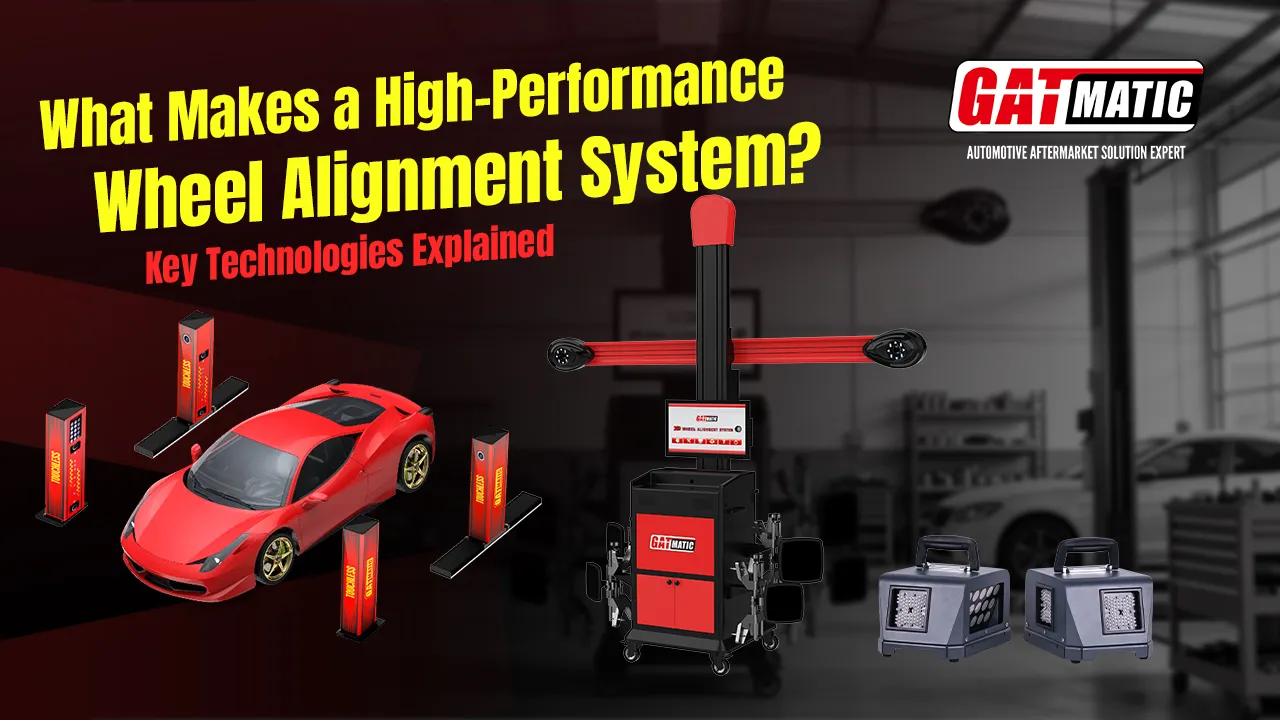
What Makes a High-Performance Wheel Alignment System? Key Technologies Explained
Introduction
Wheel alignment is one of the most critical services in modern automotive workshops. Proper alignment affects vehicle safety, tire life, fuel efficiency, and driving stability. As vehicle suspension systems become more complex and advanced driver assistance systems (ADAS) become standard, the performance of wheel alignment systems has become increasingly important.
For workshop owners and service managers, choosing the right alignment equipment is no longer only about price or basic functionality. High-performance systems are defined by measurement accuracy, workflow efficiency, software capability, and long-term reliability.
This article explores the technologies and features that truly differentiate high-performance wheel alignment systems from basic solutions.
Why Wheel Alignment Accuracy Matters More Than Ever
Modern vehicles require extremely precise alignment measurements. Even small deviations in camber, caster, or toe can lead to significant problems such as uneven tire wear, steering pull, or reduced driving stability.
According to the Society of Automotive Engineers, improper wheel alignment can reduce tire lifespan by up to 25% and negatively affect vehicle handling performance.
Several industry trends are increasing the importance of accurate alignment:
-
Larger wheel diameters and low-profile tires
-
More complex multi-link suspension systems
-
Increased vehicle weight from electric powertrains
-
Integration of ADAS cameras and radar sensors
As a result, workshops need alignment equipment capable of delivering consistent and repeatable measurements.
Key Technologies That Define High-Performance Alignment Systems
Not all alignment systems deliver the same level of accuracy and efficiency. The following technologies play a major role in determining real-world performance.
1. Advanced Camera Measurement Systems
Most modern alignment machines use 3D camera-based measurement technology. Compared with older CCD systems, camera systems provide:
-
Faster measurement speeds
-
Higher accuracy
-
Automatic vehicle detection
-
Reduced calibration requirements
Multi-camera systems can measure alignment angles in real time while the vehicle is being adjusted, improving workflow efficiency and reducing service time.
2. Non-Contact Alignment Technology
Touchless or non-contact alignment technology is becoming increasingly popular in high-end workshops.
Benefits include:
-
Faster vehicle positioning
-
Reduced wheel clamp installation time
-
Lower risk of rim damage
-
Higher throughput for busy workshops
Non-contact alignment systems are particularly useful for workshops handling large numbers of vehicles every day.
3. Intelligent Software and Vehicle Databases
Alignment accuracy depends not only on hardware but also on software capability.
High-performance systems typically include:
-
Extensive vehicle specification databases
-
Guided adjustment procedures
-
Automatic measurement compensation
-
Digital alignment reports
These software features help technicians perform adjustments more efficiently while reducing the risk of human error.
Performance Comparison of Alignment System Types
| Technology Type | Typical Accuracy | Workflow Speed | Best Application |
|---|---|---|---|
| CCD Alignment Systems | Medium | Moderate | Small workshops |
| 3D Camera Alignment Systems | High | Fast | General repair workshops |
| Touchless Alignment Systems | Very High | Very Fast | High-volume service centers |
For workshops focusing on productivity and precision, modern 3D or touchless alignment systems offer significant advantages.
Integration with ADAS Calibration
Wheel alignment now plays a crucial role in vehicles equipped with advanced driver assistance systems.
Incorrect suspension geometry can affect:
-
Camera alignment
-
Radar targeting accuracy
-
Lane-keeping system performance
Industry research from the International Automotive Technicians Network highlights that proper wheel alignment is often a precondition for accurate ADAS calibration.
Workshops that perform ADAS services must ensure their alignment systems provide reliable geometric measurements.
Efficiency and Workflow in Modern Workshops
Beyond accuracy, high-performance alignment equipment improves workshop productivity.
Key workflow advantages include:
-
Faster vehicle setup
-
Real-time adjustment monitoring
-
Automated measurement processes
-
Digital reporting for customers
These features help reduce average service time while improving customer trust through transparent reports.
Reliability and Long-Term Equipment Stability
Workshop equipment must operate reliably for many years under heavy daily use.
High-quality alignment systems typically offer:
-
Durable camera sensors
-
Stable calibration systems
-
Robust mechanical components
-
Regular software updates
Long-term stability reduces maintenance costs and ensures consistent measurement accuracy.
Conclusion
High-performance wheel alignment systems are defined by far more than measurement capability alone. The real difference lies in the combination of precision hardware, intelligent software, efficient workflow design, and reliable long-term operation.
As vehicles continue to evolve with electrification and advanced safety technologies, alignment equipment is becoming a central element of modern workshop infrastructure. Investing in accurate, efficient, and future-ready alignment systems allows workshops to maintain service quality while adapting to increasingly complex vehicle platforms.
FAQ – Wheel Alignment Systems
What is the most accurate type of wheel alignment system?
Modern 3D camera-based alignment systems and non-contact alignment technologies are generally considered the most accurate due to their real-time measurement capabilities and high-resolution sensors.
How often should wheel alignment equipment be calibrated?
Most manufacturers recommend calibration once or twice per year, depending on usage frequency and workshop conditions.
Why is wheel alignment important for electric vehicles?
Electric vehicles typically weigh more and produce higher torque, which increases tire wear and makes precise alignment even more critical for tire longevity and driving stability.
Can wheel alignment affect ADAS systems?
Yes. Suspension geometry directly affects sensor positioning. Incorrect alignment may lead to inaccurate ADAS calibration and reduced system performance.
Describe Your Needs In Detail!
We will carefully evaluate your needs and give professional solutions.